

The Critical Path from Wet Bean to Premium Export
To my colleagues in the export, processing, and investment sectors, my time at the Congress confirmed what many of us already knew: Our greatest challenge—and our biggest opportunity—lies in postharvest processing.
We have the beans, we have the intercropping model, and the world wants our fine flavor. But getting that bean from the farm to the global market at a premium price requires standardization, especially on the farm-level.


The Postharvest Bottleneck
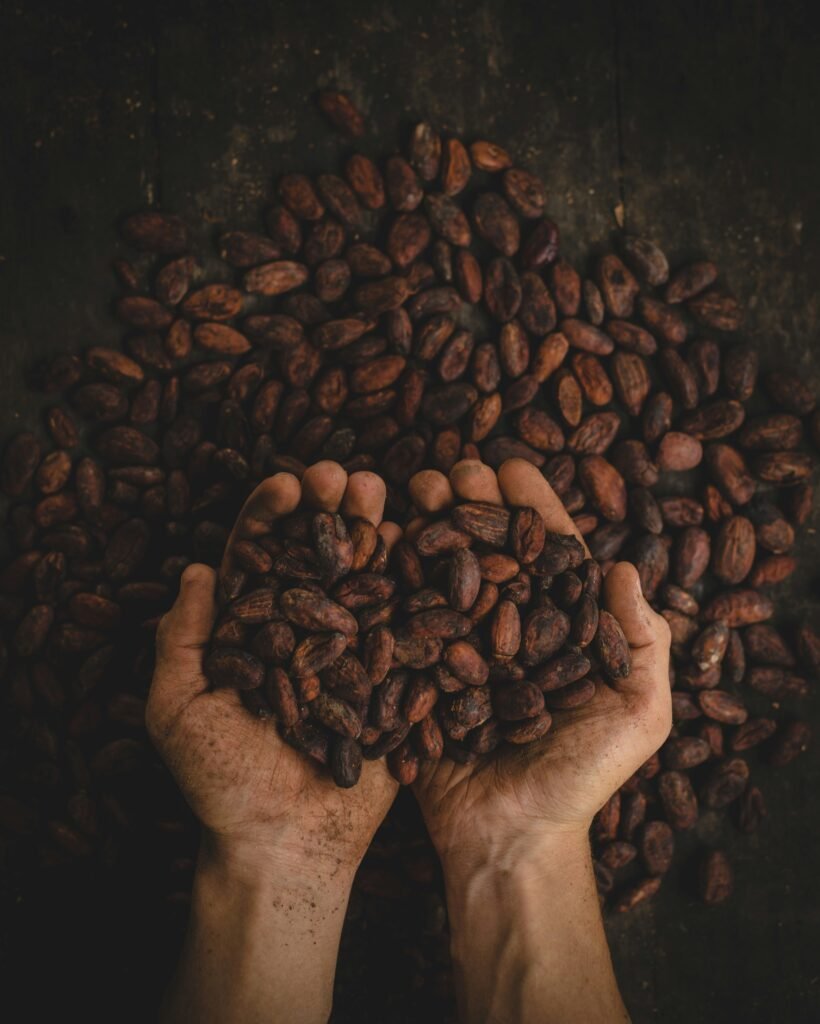
The discussions were clear: far too much of our potential value is lost right after harvest. Farmers selling wet, unfermented beans—a common practice—are only getting a fraction of the possible income. I heard the hard numbers: a farmer earns significantly less for wet beans compared to a kilo of perfectly Fermented Dried Beans (FDBs). This is unacceptable, and it’s a gap we in the trade must close.
Here are the key strategic takeaways I’m carrying forward from the Congress:
| Strategic Pillar | My Assessment of the Challenge | Actionable Solution I See |
| Production Standardization | The Challenge: Inconsistent yields due to varying local clones and lack of technical knowledge on optimal density and balanced fertilization (coconut vs. cacao needs). | The Solution: We must push for Centralized Nursery Programs that supply certified, high-yielding clones. Furthermore, the industry needs to fund and roll out practical, year-round integrated crop management training tailored specifically for the coconut-cacao agroforestry system. |
| Fermentation (The Critical Step) | The Challenge: Fermentation—the process that develops all the desirable flavor precursors—is often skipped or done poorly due to lack of facilities and expertise. This relegates our beans to the low-value commodity market. | The Solution: Urgent investment in Shared Fermentation and Drying Centers (FDCs). I believe this must be prioritized. These FDCs need standardized operating procedures (SOPs) approved by DTI/PCA to ensure every batch of FDBs meets the export standard for moisture and defect rates. |
| Market and Value-Chain Upgrade | The Challenge: The industry is still heavily focused on exporting raw FDBs. We lose the highest value addition to overseas processors. | The Solution: Functional Upgrading. We need policies and incentives to attract investment in local cocoa liquor, cocoa butter, and mass-market chocolate processing. Our goal should be to export finished or semi-finished ingredients, not just beans. We can use our trade platforms to facilitate Direct Sourcing Agreements that commit international buyers to paying premium prices for certified Philippine FDBs. |
The Bottom Line for Investors and Buyers:
I left the Congress convinced that the Philippines is ready to scale. The government has put the plans in place (CFIDP, RAPID). Now, the private sector must step up its investment at the crucial mid-stream point: postharvest infrastructure.
Investing in a Filipino cooperative’s FDC is not a cost; it’s an investment in a stable, high-quality, traceable supply chain that meets global ethical and sustainability standards. Let’s shift our focus from just planting trees to perfecting the bean’s journey from the shade of the coconut palm to the world’s finest chocolate. The premium price is within our reach.